Moroccan Home Decor
There is something about a home filled with handmade objects that feels different. You notice the texture of the wool under your feet, the small variations in a ceramic bowl, or the way a metal lamp changes the wall when the light comes on in the evening.
Growing up in Marrakech, these kinds of objects never felt like a decorating trend to us. They were simply part of the world around us. Rugs, ceramics, leather, metalwork and other handmade pieces were things made by real people, often using skills learned over many years.
That is the feeling we want to share through MoroccosRoots.
Table of Contents
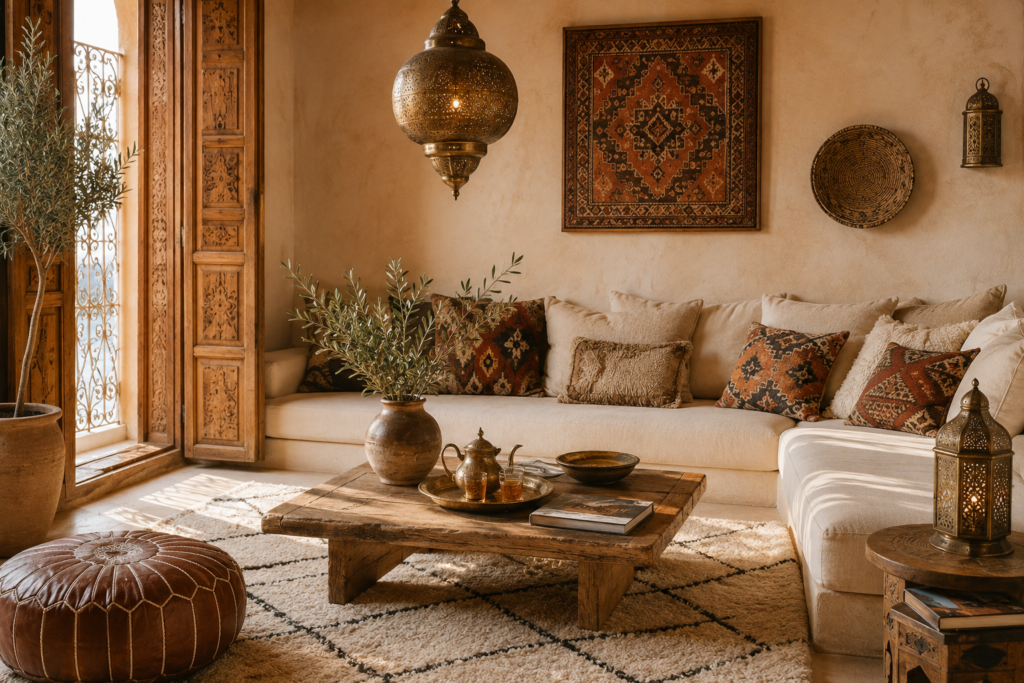
The good news is that you do not need to transform your house into a traditional Moroccan riad to bring some of that warmth into your own home. Moroccan home decor can work beautifully in modern, minimalist, rustic or eclectic interiors. The key is choosing a few pieces you genuinely love and allowing them to become part of the home you already have.
Start With One Piece You Really Love
One of the easiest ways to make a room feel forced is to try to decorate everything at the same time. A rug, cushions, lamps, wall decor and accessories all arrive together, and suddenly the room feels more like a showroom than somewhere people actually live.
We prefer starting with one piece.
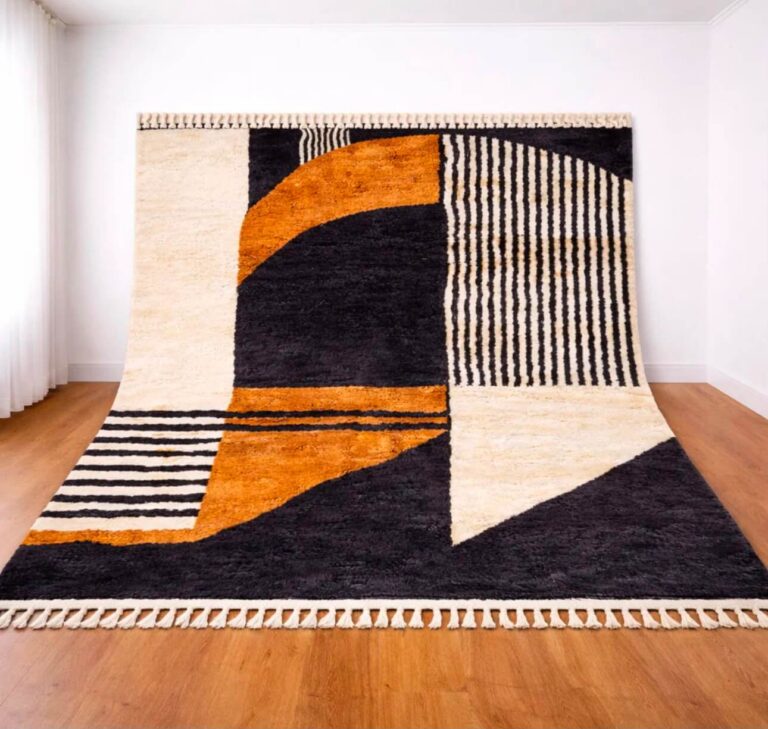
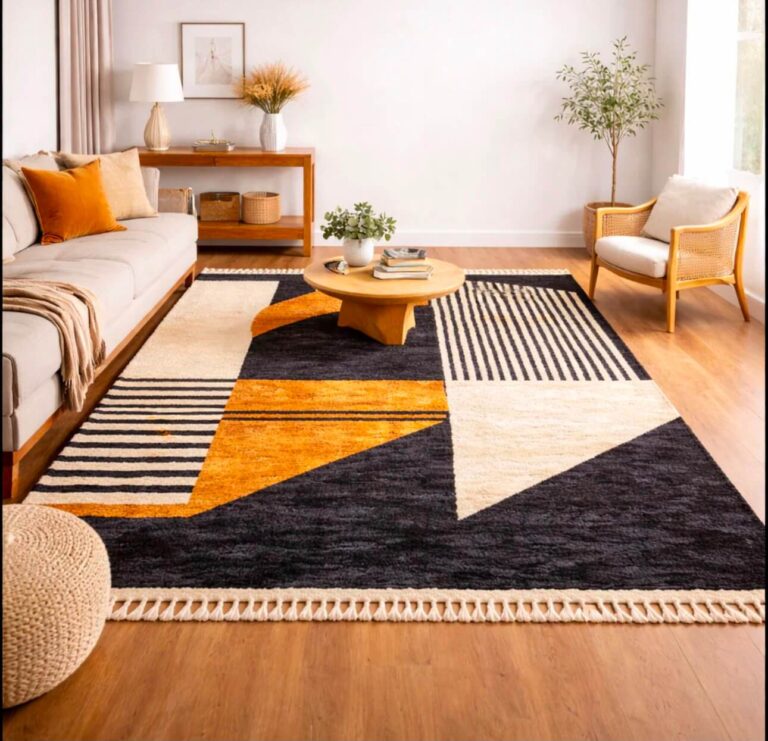
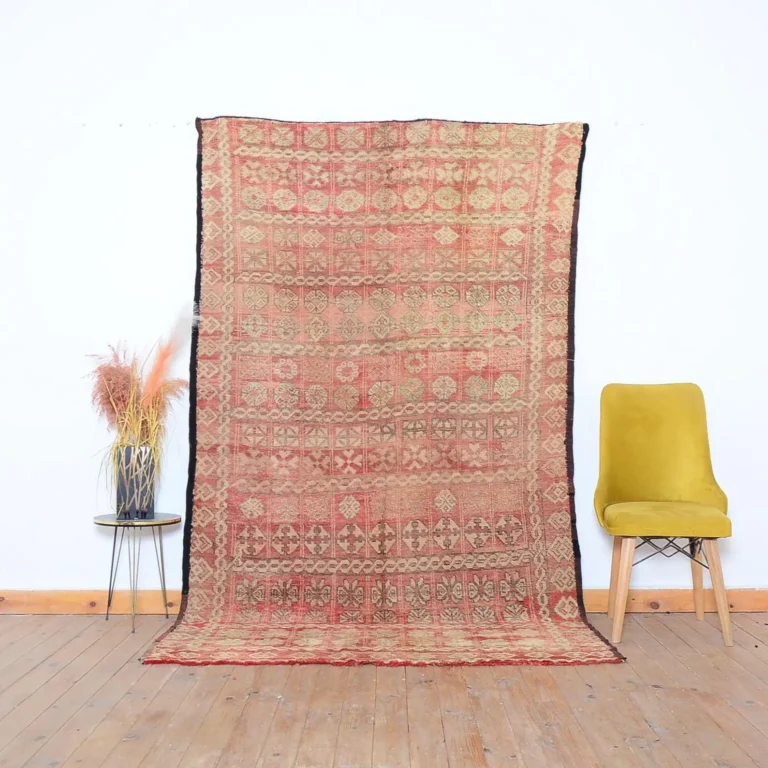
A handmade Moroccan rug is often a natural place to begin because it immediately changes a large part of the room. A soft, neutral wool rug can make a simple living room feel warmer, while a more colorful or expressive rug can give personality to a room with quiet furniture and plain walls.
Once that first piece is in place, live with it for a little while. Look at the room again before deciding what it still needs.
Very often, the answer is less than you expected.
Mix Materials Instead of Trying to Match Everything
One thing we love about Moroccan interiors is how naturally different materials can live beside one another.
Wool can sit next to leather. Clay can meet wood. A warm metal surface can contrast with linen, stone or plaster. None of these materials needs to have exactly the same color or finish.
That idea works just as well outside Morocco.
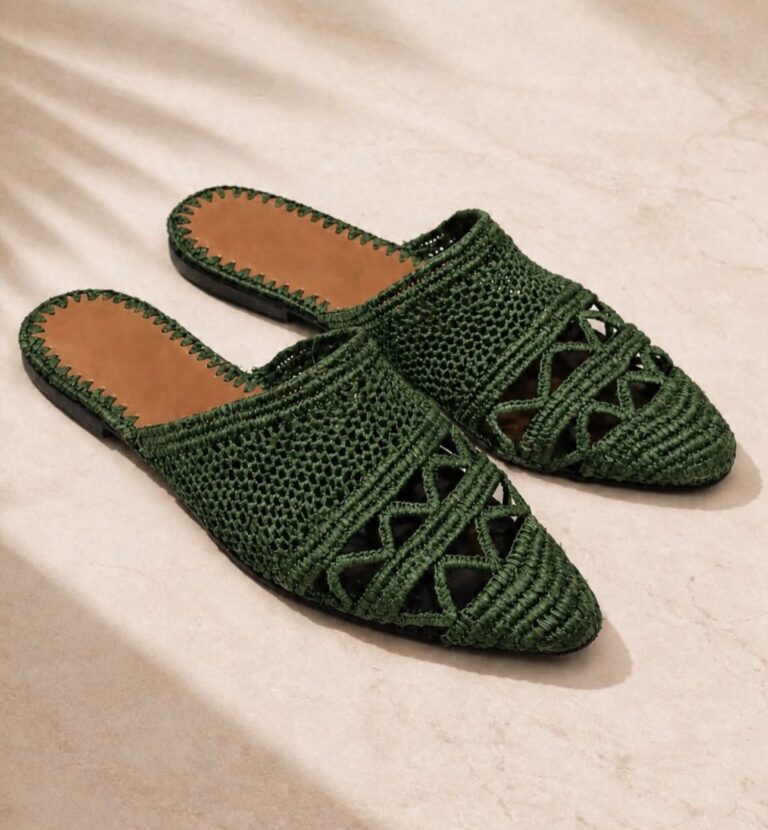
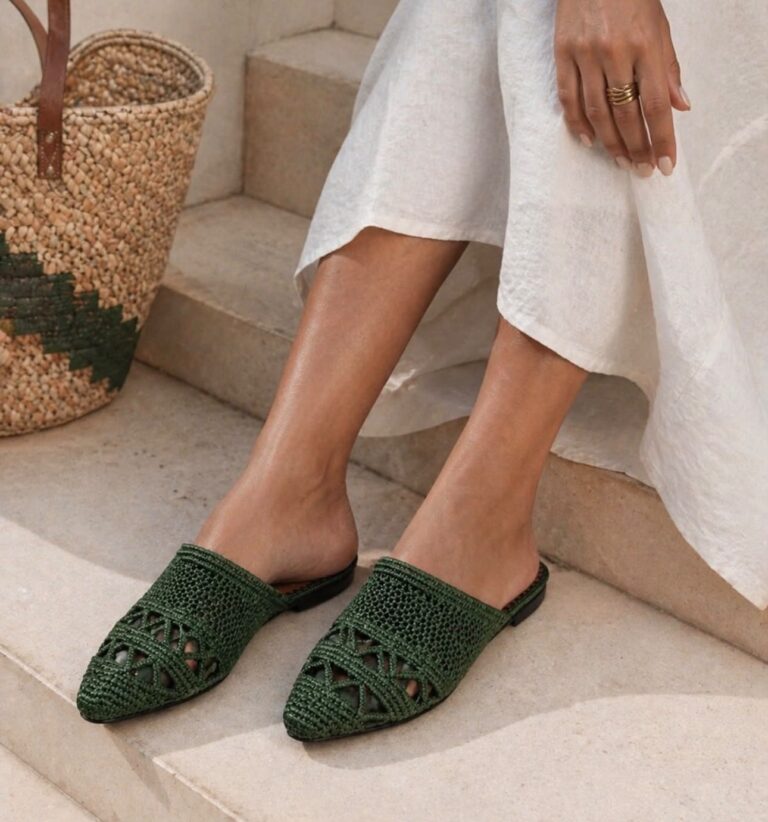
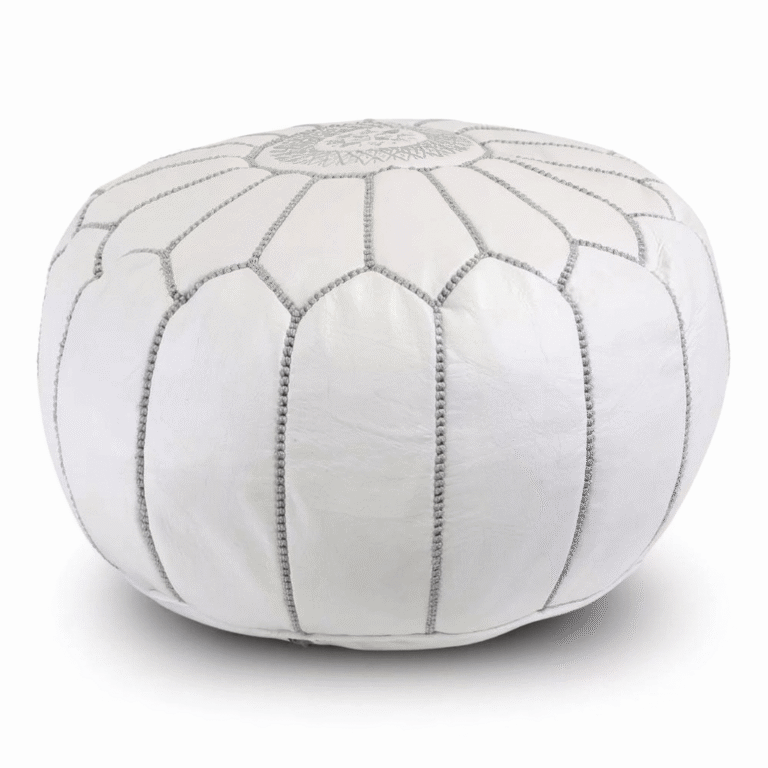
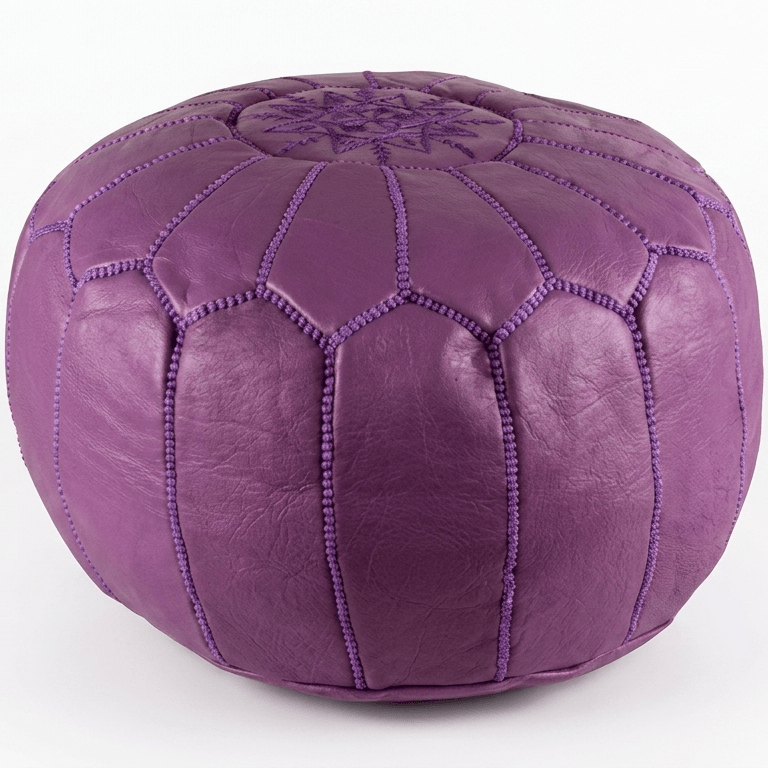
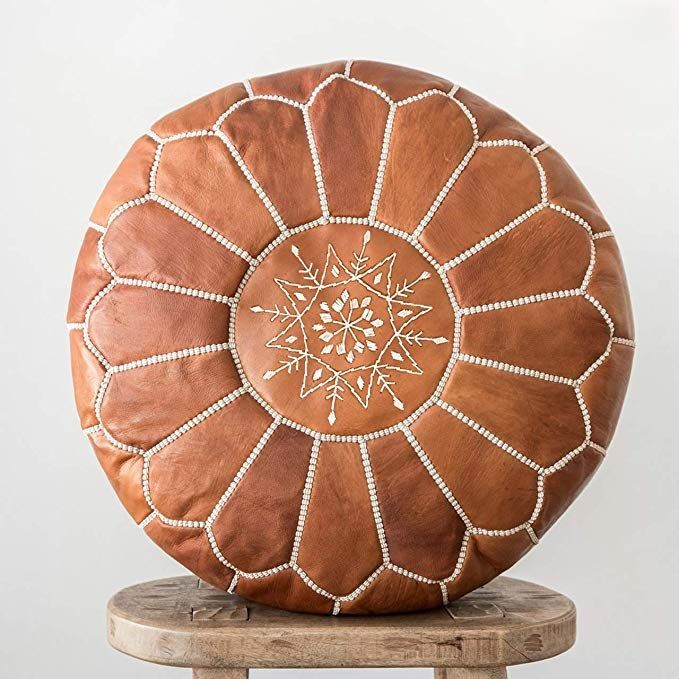
A simple wooden dining table can feel completely different with a few handmade Moroccan ceramics on it. A leather pouf can soften the clean lines of a contemporary sofa. A woven rug can make a room with modern furniture feel less cold without changing the overall style.
You do not need to create a matching set.
In fact, handmade pieces often look more interesting when they feel as though they were collected at different moments.
Use Color, but Give It Room to Breathe
Morocco is full of memorable color. Marrakech has its warm earthy tones, ceramics can carry detailed painted patterns, rugs can move from soft neutrals to vivid combinations, and metalwork brings another layer of warmth.
But Moroccan home decor does not mean using all those elements at once.
If you choose a rug with a strong pattern, let some of the furniture around it stay simple. If your ceramics are colorful, give them a quiet shelf or table where the details can be noticed. If the room already has bold artwork or upholstery, a more understated handmade piece may be the better choice.
Color becomes more powerful when there is calm around it.
That balance is what keeps a room from feeling busy.
Think About What Happens After Sunset
Lighting changes the way we experience a room.
During the day, we notice materials, furniture and colors. In the evening, the atmosphere is shaped much more by where the light comes from and how it falls across the room.
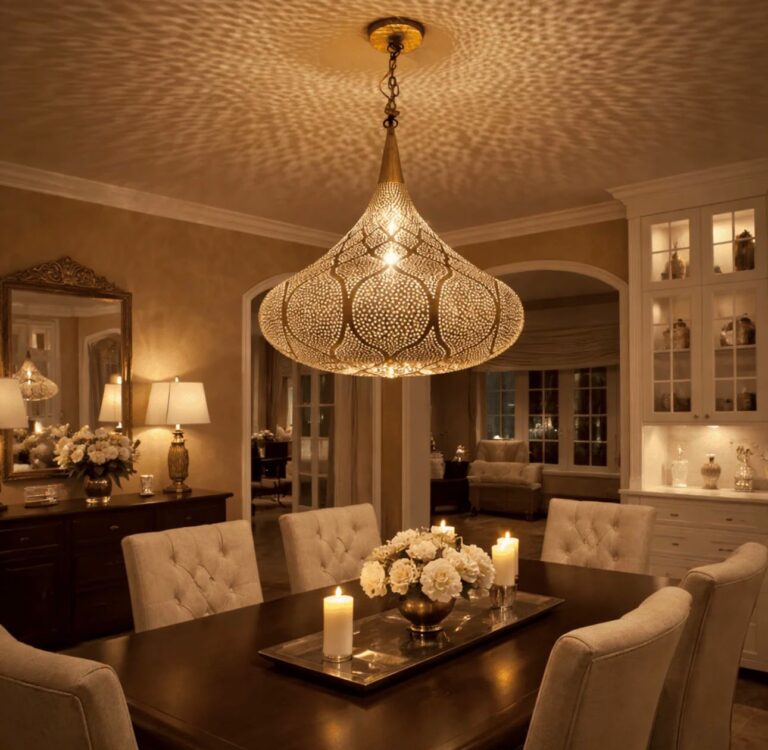
A Moroccan light can be beautiful even when it is switched off, but the real character often appears at night. Worked metal can create subtle patterns and shadows, while a warm light source can make a dining area or quiet corner feel much more intimate.
Before choosing a lamp, think beyond the object itself.
Where will it hang? What will be underneath it? Do you want that part of the room to feel bright and practical, or softer and more relaxed?
A beautiful light should work with the way you actually use the space.
Handmade Is Not Supposed to Look Machine-Made
This is one of the things we hope more people come to appreciate about handmade products.
When something comes from a factory, we expect every piece to look identical. With an object made by hand, that is not always the case.
A woven line may move slightly. One ceramic glaze can be a little deeper than another. Leather can show natural variation. A metal surface worked by hand can carry small differences that would disappear in industrial production.
Those details can be part of the beauty.
They remind you that somebody spent time working with the material before the object reached your home.
Morocco has a rich artisan tradition, and Maison de l’Artisan is the public institution dedicated to promoting Moroccan handicraft and its makers.
For us, understanding the hands behind an object makes it more meaningful, not less perfect.
Do Not Turn Your Home Into a Moroccan Theme
You can love Moroccan design without having a completely Moroccan-style interior.
Actually, we often prefer the opposite.
A traditional rug can look beautiful under a Scandinavian table. A handmade bowl can sit naturally in a modern kitchen. A detailed metal lamp can work above simple contemporary furniture.
That contrast lets the handmade object stand on its own.
Your home should still feel like your home, not like a copy of somewhere else.
Instead of asking, “How do I make this room look Moroccan?” try asking, “Which Moroccan piece would make this room feel warmer or more personal?”
That small change in thinking usually leads to a much more natural result.
Give Good Pieces Enough Space
When we find something beautiful, there is often a temptation to immediately add more around it.
Sometimes the better choice is to stop.
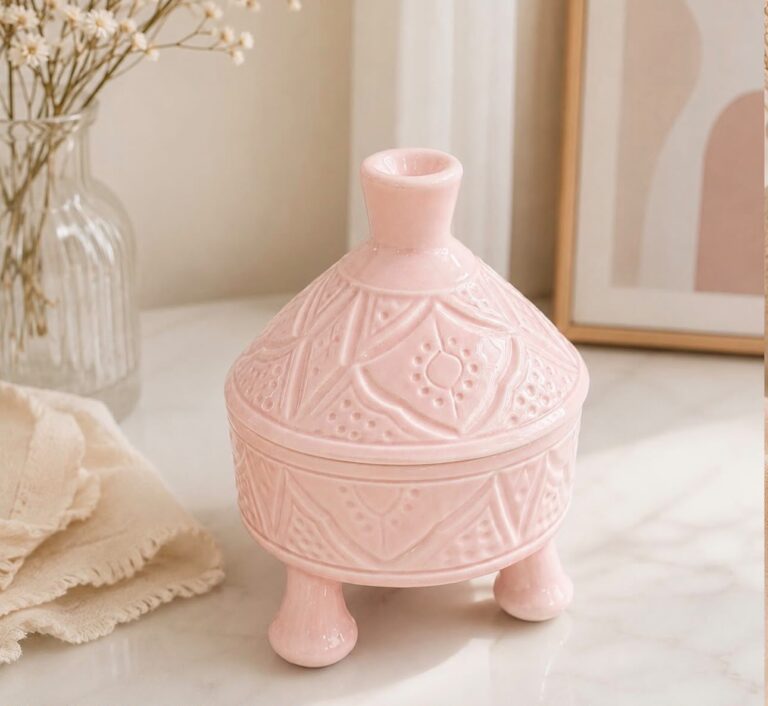
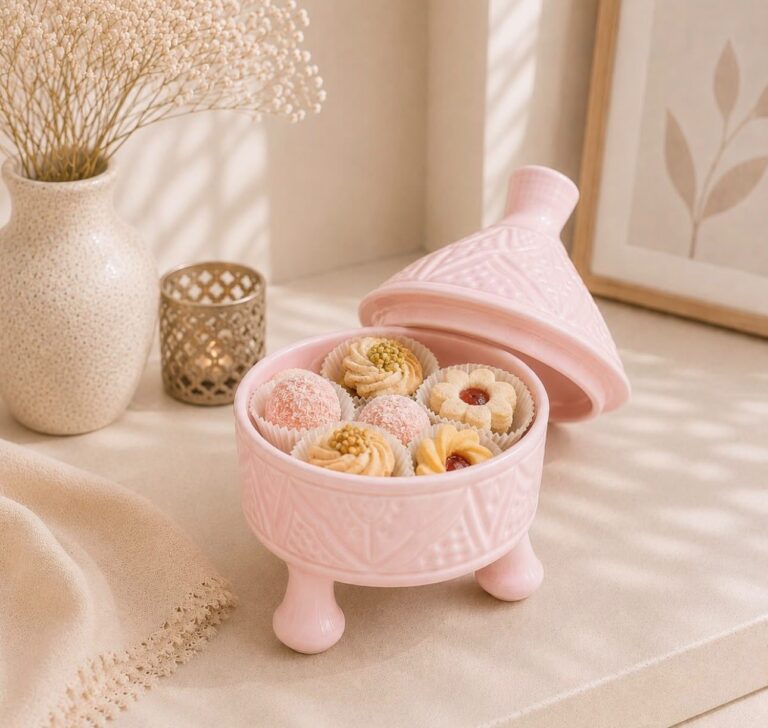
A handmade ceramic bowl can be enough in the center of a table. A detailed rug does not always need patterned cushions above it. A decorative lamp may look better against a simple wall than surrounded by several other objects.
Empty space is not wasted space.
It gives your eye somewhere to rest and allows you to notice the texture, shape and craftsmanship of the things you chose carefully.
Before adding another object to a room, take a moment and ask whether it actually needs one.
Sometimes it does.
Sometimes it already feels complete.
Choose for the Way You Really Live
A home can look beautiful and still be difficult to live in.
That is why practical questions matter just as much as style.
A very pale rug might be perfect in a quiet bedroom but less practical near a busy entrance. A decorative ceramic object should only be used with food when it is intended for that purpose. A large pendant needs enough space around it to work comfortably.
Think about children, pets, daily routines, cleaning and how often you use the room.
Good interior design should survive an ordinary day.
We think the best handmade pieces are the ones that slowly become part of everyday life rather than objects you are afraid to touch.
Let Your Home Grow Slowly
Some of the homes we find most beautiful are difficult to copy because they were never designed all at once.
They developed.
Someone found a rug they loved. Later came a bowl from a trip, an old wooden table, a photograph, a lamp or something passed down through the family.
Slowly, the room became personal.
We think handmade Moroccan objects fit naturally into that kind of home because they already have character before they arrive.
You do not need an entire collection.
One meaningful piece is enough to begin.
Then another can find its place later.
A Little Piece of Morocco, in Your Own Way
For us, Moroccan home decor is not about following a trend or recreating a particular look.
It is about texture, warmth, craftsmanship and objects that feel human.
We created MoroccosRoots because we wanted beautiful pieces made here in Morocco to find homes much further away, while keeping a connection to where they came from.
How you live with those pieces is completely yours.
Maybe it starts with a rug under your favorite chair. Maybe it is a ceramic bowl on the table or a lamp that changes the mood of the room every evening.
Start with the piece that speaks to you.
Give it some space.
And let your home grow around it naturally.
FAQ About Moroccan Home Decor
What is Moroccan home decor?
Moroccan home decor brings together handmade objects, natural materials, texture, color and traditional craft. Rugs, ceramics, leather pieces, metal lighting and decorative accessories are common examples, but you do not need all of them to create a Moroccan influence in your home.
Can Moroccan decor work in a modern interior?
Yes. Handmade Moroccan pieces can work especially well in modern interiors because their texture and detail create contrast with clean furniture and simple surfaces. One rug, lamp or ceramic piece can add warmth without changing the entire style of the room.
How can I add Moroccan style without making my room look too busy?
Begin with one main piece and give it space. If you choose something colorful or highly patterned, keep some surrounding elements quieter. Avoid trying to match every object or fill every empty surface.
Which Moroccan decor piece should I buy first?
A rug is a good starting point for many rooms because it immediately adds texture and changes the feeling of the space. However, a lamp, ceramic piece or smaller handmade accessory can be a better first choice if you want to begin gradually.
Are small variations normal in handmade Moroccan products?
Yes. Minor variations in weave, color, pattern, glaze, leather texture or finish can naturally occur when pieces are made by hand. These characteristics are different from genuine damage or a product that does not match its description.
Does Moroccan decor only work with bohemian interiors?
No. Moroccan craftsmanship can be used in modern, minimalist, rustic, Scandinavian, traditional and eclectic interiors. The surrounding furniture does not need to follow the same style for a Moroccan handmade piece to work beautifully.